Published
- 4 min read
10k vs 14k vs 18k vs 24k gold ring
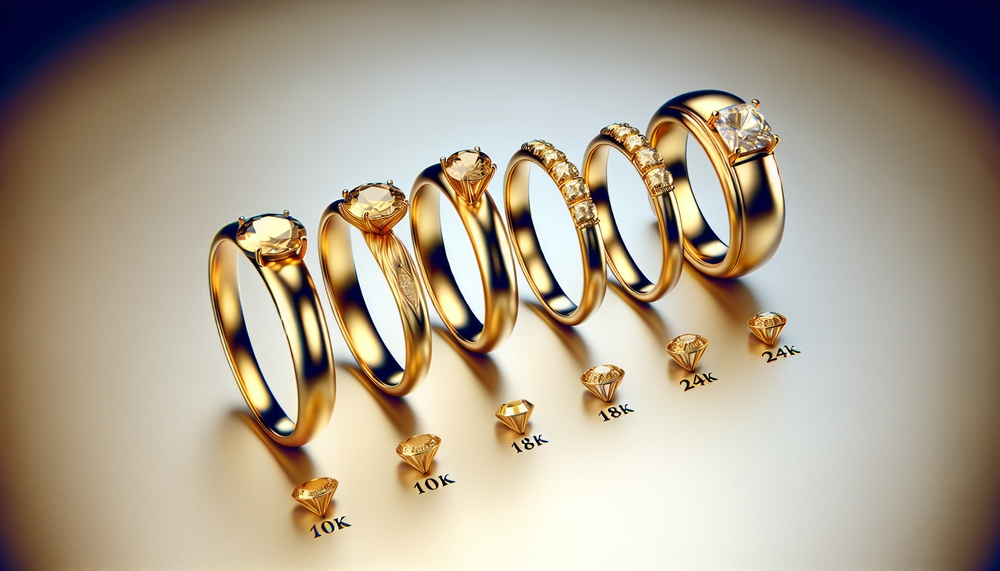
Comparing 10k vs 14k vs 18k vs 24k Gold Rings: A Comprehensive Guide
Gold has been a symbol of luxury, wealth, and elegance for centuries. When it comes to jewelry, especially rings, gold remains a top choice for many. However, not all gold is created equal. Gold purity is measured in karats (k), and this measurement can significantly impact the appearance, durability, and cost of your gold jewelry. In this guide, we will explore the differences between 10k, 14k, 18k, and 24k gold rings to help you make an informed decision.
Understanding Gold Purity
Gold purity is measured in karats, with 24 karats being pure gold. Here’s a brief overview of what each karat value means:
- 10k Gold: Contains 41.7% pure gold.
- 14k Gold: Contains 58.3% pure gold.
- 18k Gold: Contains 75% pure gold.
- 24k Gold: Contains 100% pure gold.
The remaining percentage in each of these gold types is made up of other metals such as copper, silver, or zinc, which are added to improve the durability and alter the color of the gold.
10k Gold Rings
Composition and Durability
10k gold contains 41.7% gold and 58.3% alloy. It is the least pure and most affordable type of gold used in jewelry. The higher percentage of alloy makes 10k gold the hardest and most durable option, making it less prone to scratching and bending.
Color and Appearance
10k gold has a pale, less vibrant yellow color compared to higher karat gold. Its appearance can sometimes be mistaken for a white or rose gold due to the higher alloy content.
Cost
10k gold is the most economical choice for gold jewelry. It is ideal for those who want a durable piece without a hefty price tag.
Learn more about 10k gold rings
14k Gold Rings
Composition and Durability
14k gold contains 58.3% gold and 41.7% alloy. It strikes a balance between purity and durability, making it a popular choice for engagement rings and other fine jewelry.
Color and Appearance
14k gold offers a rich, warm yellow color that is more vibrant than 10k gold but not as intense as 18k or 24k gold. It offers a good compromise between aesthetic appeal and practicality.
Cost
14k gold is more expensive than 10k gold but more affordable than 18k and 24k gold. It provides a good balance of quality and affordability.
Learn more about 14k gold rings
18k Gold Rings
Composition and Durability
18k gold contains 75% gold and 25% alloy. It is more luxurious and purer than 14k gold, making it a favorite for high-end jewelry.
Color and Appearance
18k gold has a deep, rich yellow color that is highly desirable. Its higher gold content gives it a more lustrous and vibrant appearance.
Cost
18k gold is more expensive than 14k and 10k gold due to its higher gold content. It is a preferred choice for those who prioritize luxury and appearance over cost.
Learn more about 18k gold rings
24k Gold Rings
Composition and Durability
24k gold is 100% pure gold. It is the softest and most malleable type of gold, making it less suitable for everyday wear.
Color and Appearance
24k gold has a bright, almost orange-yellow color that is unmistakable. Its pure, vibrant hue is highly prized but can be too soft for some types of jewelry.
Cost
24k gold is the most expensive due to its purity. It is often used in high-end, luxury pieces and is more commonly found in gold bars and coins rather than jewelry.
Learn more about 24k gold rings
Conclusion
Choosing between 10k, 14k, 18k, and 24k gold rings depends on your priorities, whether they be durability, appearance, or cost. Here’s a quick recap:
- 10k Gold: Most durable and affordable, but less vibrant.
- 14k Gold: Good balance of durability and appearance.
- 18k Gold: Luxurious, vibrant, and more expensive.
- 24k Gold: Purest and most vibrant, but less durable and more costly.
Understanding these differences can help you choose the perfect gold ring that meets your needs and preferences. Whether you are looking for a practical everyday ring or a luxurious statement piece, knowing the characteristics of each gold type will guide you in making an informed decision.