Published
- 4 min read
10k vs 14k vs 18k vs 24k gold ring men
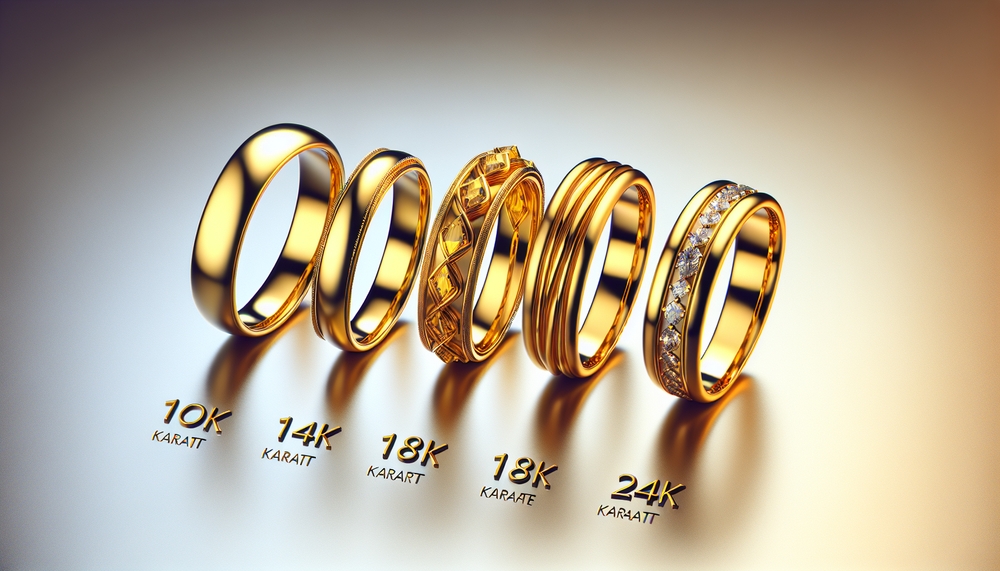
Understanding 10k vs 14k vs 18k vs 24k Gold Rings for Men
Gold has long been revered for its natural beauty and radiance. It has been the material of choice for jewelry through centuries, symbolizing wealth, purity, and status. When it comes to gold rings for men, understanding the differences between various gold purities—10k, 14k, 18k, and 24k—is essential for making an informed purchase. This article aims to provide an in-depth understanding of these gold purities and their implications on the quality, durability, and cost of men’s rings.
What is Gold Karat?
The term “karat” (not to be confused with “carat,” which measures gem weight) refers to the purity of gold. It indicates the proportion of pure gold mixed with other metals to create a durable and workable alloy. Pure gold, which is 24k, is too soft for most jewelry applications and is often alloyed with metals like copper, silver, nickel, or zinc to enhance its strength.
10k Gold
Composition: 10k gold contains 41.7% pure gold and 58.3% alloy. This means it has the lowest gold content among the four purities discussed here.
Durability: Due to its high alloy content, 10k gold is the hardest and most durable of the four. It is less prone to scratching and bending, making it an ideal choice for men who lead an active lifestyle or work with their hands.
Color: 10k gold has a paler yellow color compared to higher karat golds. The additional metals used in the alloy can sometimes give it a slightly duller appearance.
Cost: Being the least expensive option, 10k gold is an excellent choice for those looking for a budget-friendly yet durable ring.
14k Gold
Composition: 14k gold contains 58.3% pure gold and 41.7% alloy. It strikes a good balance between purity and durability.
Durability: While not as hard as 10k gold, 14k gold is still quite durable and resistant to scratching and bending. It offers a good compromise between longevity and luxury.
Color: 14k gold has a richer, more vibrant yellow hue than 10k gold. It is a popular choice for both wedding bands and fashion rings due to its appealing color and durability.
Cost: 14k gold is more expensive than 10k gold but offers better color and sufficient durability for everyday wear.
18k Gold
Composition: 18k gold contains 75% pure gold and 25% alloy. It is a higher purity gold that offers a luxurious feel and appearance.
Durability: While 18k gold is softer and more prone to scratching than 10k and 14k golds, it is still durable enough for everyday wear with proper care.
Color: The color of 18k gold is significantly richer and more vibrant, with a deep yellow hue that is highly sought after for high-end jewelry.
Cost: Due to its higher gold content, 18k gold is more expensive than both 10k and 14k gold. It is often chosen for its luxurious appearance and significant gold content.
24k Gold
Composition: 24k gold is 100% pure gold. It is the highest purity available and is often used in investment-grade bars and coins rather than jewelry.
Durability: 24k gold is the softest and least durable of the four purities. It is highly susceptible to scratching and deforming, making it impractical for everyday jewelry.
Color: The color of 24k gold is the most vibrant and intense, with a bright yellow hue that is unmatched by lower karat golds.
Cost: 24k gold is the most expensive due to its purity. It is usually not recommended for rings or other jewelry that will be worn frequently due to its softness.
Choosing the Right Gold Purity for Men’s Rings
When selecting a gold ring, several factors should be considered, including lifestyle, preference for color, budget, and the ring’s intended use. Here are some guidelines to help you make the best choice:
- For Everyday Wear: 10k or 14k gold rings are ideal due to their durability and resistance to wear and tear. They are also more affordable, making them practical for daily use.
- For Special Occasions: 18k gold rings offer a luxurious look with a rich color, making them perfect for special occasions, though they require more care.
- For Investment: While 24k gold rings are not practical for daily wear, they can be an excellent investment due to their high gold content.
Conclusion
Understanding the differences between 10k, 14k, 18k, and 24k gold is crucial for making an informed decision when purchasing a gold ring for men. Each purity level offers unique benefits and trade-offs in terms of durability, appearance, and cost. By considering your lifestyle, preferences, and budget, you can choose the gold purity that best suits your needs.
For further reading and official references on gold purity, you can visit the World Gold Council and the Jewelry Information Center.
By understanding these key differences, you are well on your way to selecting the perfect gold ring that will provide lasting beauty and value.
Note: This article is intended for informational purposes only and should not be considered as financial or investment advice.