Published
- 3 min read
14k vs 18k vs 24k gold
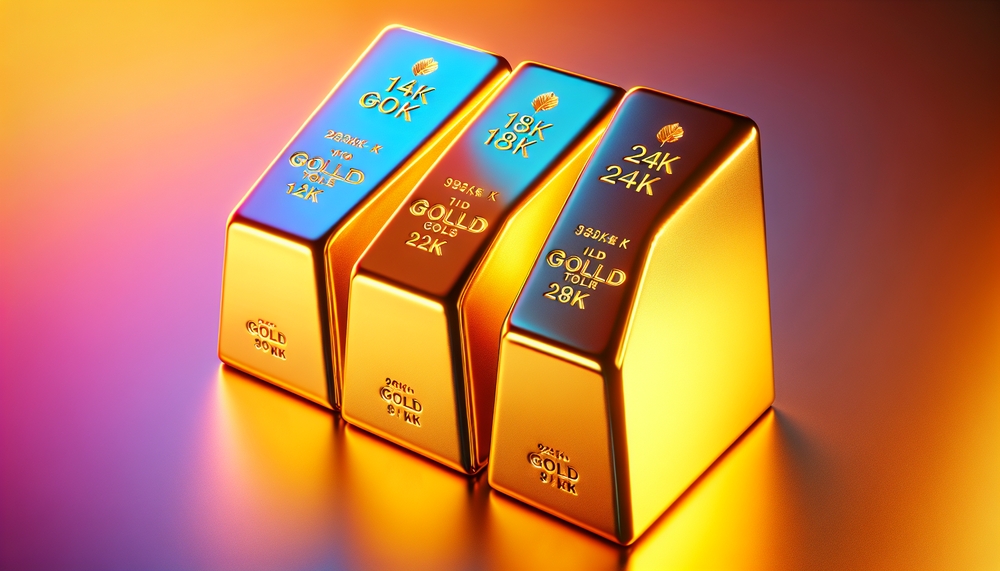
Understanding 14k vs. 18k vs. 24k Gold: A Comprehensive Guide for Luxurious Jewellery, Watches, and Diamond Rings
Gold has long been admired for its beauty and value. It’s a key component in luxurious jewellery, watches, and diamond rings. However, not all gold is created equal. When shopping for high-end jewellery, you’ll often encounter terms like 14k, 18k, and 24k gold. Understanding these distinctions is crucial for making informed decisions. This guide will break down what these terms mean and how they impact the quality and price of your investment.
What Do Karats Mean?
The term “karat” (abbreviated as “k” or “kt”) is a measure of the purity of gold. Pure gold is 24 karats, meaning it is 100% gold with no other metals mixed in. However, pure gold is soft and not ideal for making durable jewellery or watches. To strengthen gold, it is mixed with other metals like silver, copper, nickel, or zinc. The karat number indicates how much of the alloy is pure gold.
- 24k Gold: 100% pure gold
- 18k Gold: 75% gold, 25% other metals
- 14k Gold: 58.3% gold, 41.7% other metals
24k Gold
Characteristics
- Purity: 100%
- Color: Rich, bright yellow
- Durability: Soft and malleable
- Use: Often used in high-end, ceremonial jewellery and bullion
Pros
- Highest purity: Offers the most intense gold color and is hypoallergenic.
- Investment value: Holds higher intrinsic value due to its purity.
Cons
- Softness: Prone to scratches and dents, making it less ideal for everyday wear.
- Price: More expensive due to its high gold content.
Official Reference
For further details, you can refer to Gold.org.
18k Gold
Characteristics
- Purity: 75%
- Color: Warm, slightly darker yellow than 24k
- Durability: More durable than 24k gold but still relatively soft
- Use: Popular in high-end jewellery and luxury watches
Pros
- Balanced quality: Offers a good blend of purity and strength.
- Color: Retains a rich gold color while being more durable than 24k gold.
Cons
- Price: Still relatively expensive, though cheaper than 24k gold.
- Susceptibility: Can still be scratched or dented, though less so than 24k gold.
Official Reference
For more detailed information, you can visit Gold.org.
14k Gold
Characteristics
- Purity: 58.3%
- Color: Slightly paler yellow than 18k gold
- Durability: Very durable and suitable for everyday wear
- Use: Commonly used in engagement rings, wedding bands, and everyday jewellery
Pros
- Durability: Highly resistant to scratches and dents.
- Affordability: More budget-friendly while still offering a good amount of gold.
- Versatility: Ideal for a wide range of jewellery, including rings, bracelets, and watches.
Cons
- Color: Less intense gold color compared to 18k and 24k gold.
- Allergy potential: Higher likelihood of causing allergic reactions due to the higher proportion of other metals.
Official Reference
To learn more, you can refer to Gold.org.
Making the Right Choice
Choosing between 14k, 18k, and 24k gold ultimately depends on your needs and preferences. If you seek the purest gold and are willing to handle it with care, 24k might be your best bet. For a balance between purity and durability, 18k gold is a solid choice. If you need something for everyday wear that’s both sturdy and affordable, 14k gold will serve you well.
Key Considerations
- Purpose: What will you use the jewellery for? Everyday wear, special occasions, or investment?
- Budget: How much are you willing to spend?
- Skin Sensitivity: Are you or the wearer allergic to certain metals?
Conclusion
Understanding the differences between 14k, 18k, and 24k gold can help you make a more informed decision when purchasing luxurious jewellery, watches, or diamond rings. Each type of gold has its own set of advantages and disadvantages, and the best choice will vary based on individual needs and preferences.
For further reading and official references, you can always visit Gold.org.
By considering factors such as durability, color, and price, you’ll be better equipped to choose the perfect piece of luxurious jewellery that meets all your expectations.