Published
- 4 min read
what is the difference between 10k 14k 18k and 24k gold?
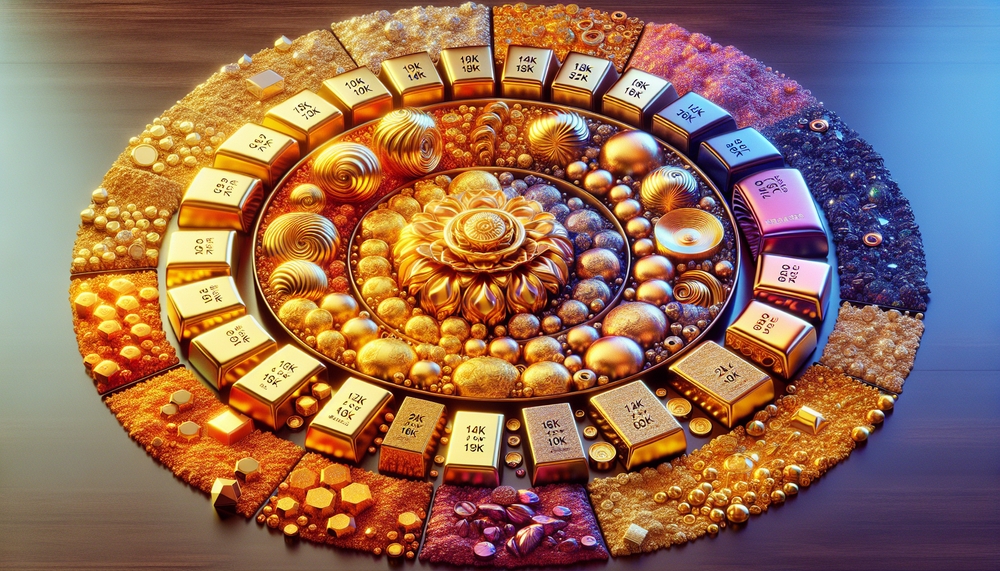
Understanding the Difference Between 10k, 14k, 18k, and 24k Gold
The allure of gold has captivated humanity for millennia. Its luster, rarity, and malleability have made it a preferred material for crafting luxurious jewelry, including watches and diamond rings. For those new to the world of fine jewelry, understanding the nuances between different gold purities can be quite enlightening. This article aims to demystify the differences between 10k, 14k, 18k, and 24k gold, providing you with the knowledge to make informed decisions when purchasing high-end jewelry.
What is Karat?
The term “karat” (abbreviated as “k” or “kt”) is used to measure the purity of gold. It indicates the proportion of pure gold in the alloy out of a total of 24 parts. Therefore, 24k gold is pure, while lower karat numbers denote gold mixed with other metals to enhance durability and alter color.
10k Gold
10k gold contains 10 parts pure gold and 14 parts other metals (usually silver, nickel, or copper), making it 41.7% pure gold.
Characteristics
- Durability: The high percentage of other metals makes 10k gold the most durable and resistant to scratching and deformation.
- Color: It tends to have a lighter, more muted yellow color due to the significant presence of other metals.
- Cost: 10k gold is generally the most affordable option, making it popular for budget-conscious buyers.
Suitability
10k gold is ideal for everyday wear items like engagement rings and bracelets, where durability is a key concern.
14k Gold
14k gold consists of 14 parts pure gold and 10 parts other metals, giving it a purity of 58.3%.
Characteristics
- Durability: It offers a good balance between durability and purity, making it less prone to wear and tear compared to higher karats.
- Color: With a richer yellow hue than 10k gold, 14k gold is more visually appealing yet still robust.
- Cost: It is moderately priced, making it a popular choice for a wide range of jewelry.
Suitability
14k gold is widely used in engagement rings, necklaces, and watches, offering a balance of beauty, durability, and affordability.
18k Gold
18k gold is composed of 18 parts pure gold and 6 parts other metals, resulting in 75% pure gold.
Characteristics
- Durability: While more prone to scratches and dents than 10k and 14k gold, 18k gold offers a good compromise between purity and strength.
- Color: Its deep, rich yellow color is highly coveted and lends an air of luxury and sophistication.
- Cost: Being higher in purity, 18k gold is more expensive than 10k and 14k gold.
Suitability
18k gold is often used in high-end jewelry and luxury watches, where the brilliance of the gold is a key selling point.
24k Gold
24k gold is 100% pure gold with no other metals mixed in.
Characteristics
- Durability: Pure gold is extremely soft and malleable, making it less suitable for everyday wear.
- Color: It has a vibrant, rich yellow hue that is unmatched by any other karat.
- Cost: As the purest form of gold, 24k gold is the most expensive.
Suitability
24k gold is typically reserved for special pieces, such as heirloom jewelry or investment items that are not subjected to daily wear.
Conclusion
Understanding the differences between 10k, 14k, 18k, and 24k gold is essential for making informed decisions when purchasing luxurious watches and diamond rings. Each karat offers unique characteristics in terms of durability, color, and cost. Knowing these distinctions allows you to choose the best type of gold that suits your needs, whether you’re looking for everyday wear, a special occasion piece, or an investment.
For more detailed information, you can refer to The Difference Between 10k, 14k, 18k, and 24k Gold.
By understanding these key differences, you’ll be better equipped to select the perfect piece of jewelry that aligns with your tastes and requirements.
This article aims to provide a comprehensive overview of gold purities to beginners in the field of luxury jewelry. Whether you seek the durability of 10k gold or the opulence of 24k gold, this guide should help you make an informed choice.